The Command Center
Inside the office: the setup, the workflow, and the infrastructure behind Tired Dad Tech.
This is the working environment where builds are planned, tested, filmed, and documented. Think of it as a living magazine feature for the desk, the rig, and the systems that support the channel.
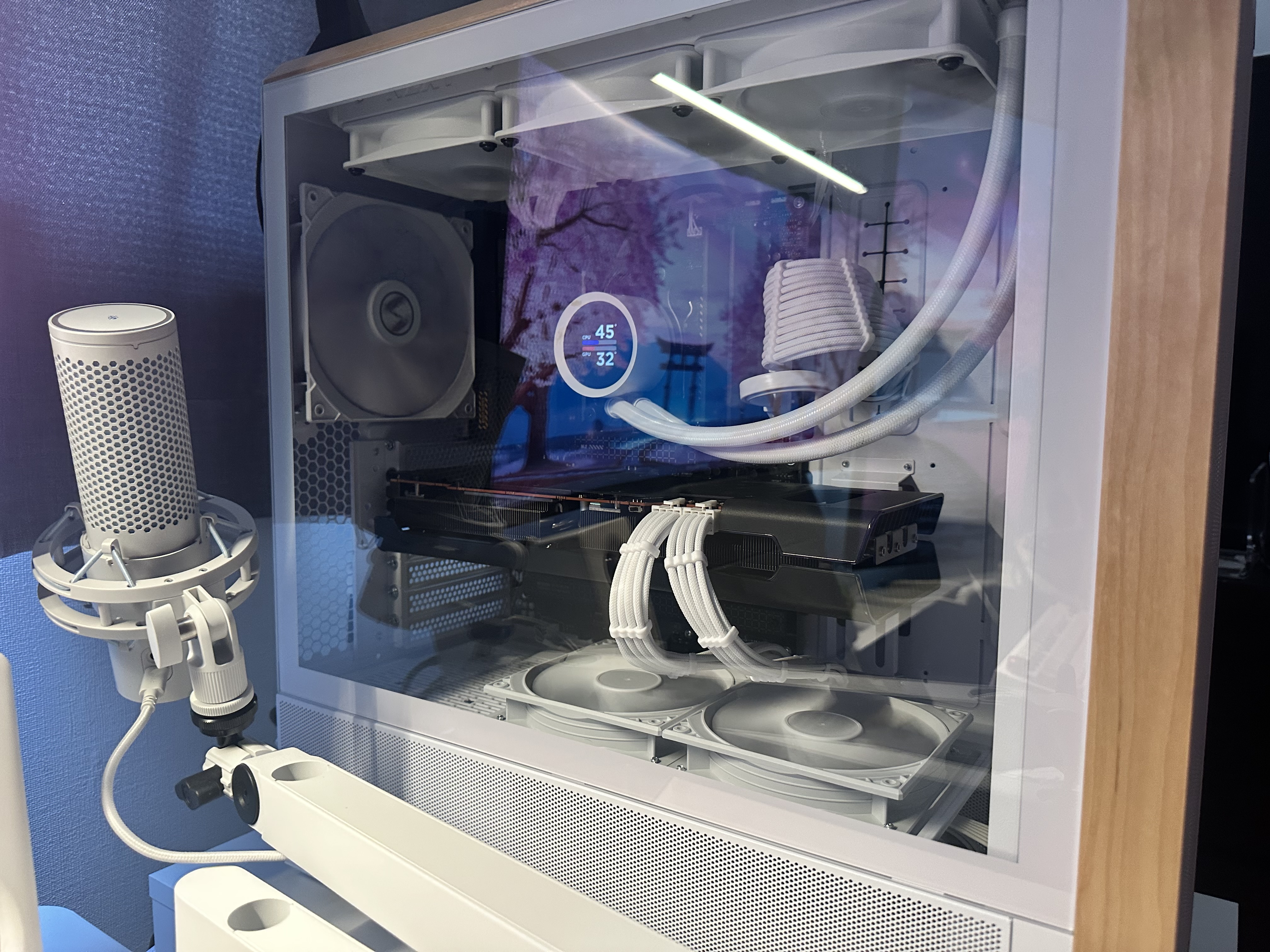
Display + Peripherals
The desk experience is built around a single immersive panel and reliable daily drivers. The monitor anchors the workspace while the peripherals are chosen for speed, comfort, and consistency during long sessions.
Monitor
Samsung 49" Ultrawide OLED
Peripherals
- Logitech G502x wireless mouse
- Epomaker TH80 mechanical keyboard
- Edifier M60 speakers
- Stream Deck
- Bose Comfort Fit headphones
- HyperX QuadCast 2 microphone
- Elgato boom arm
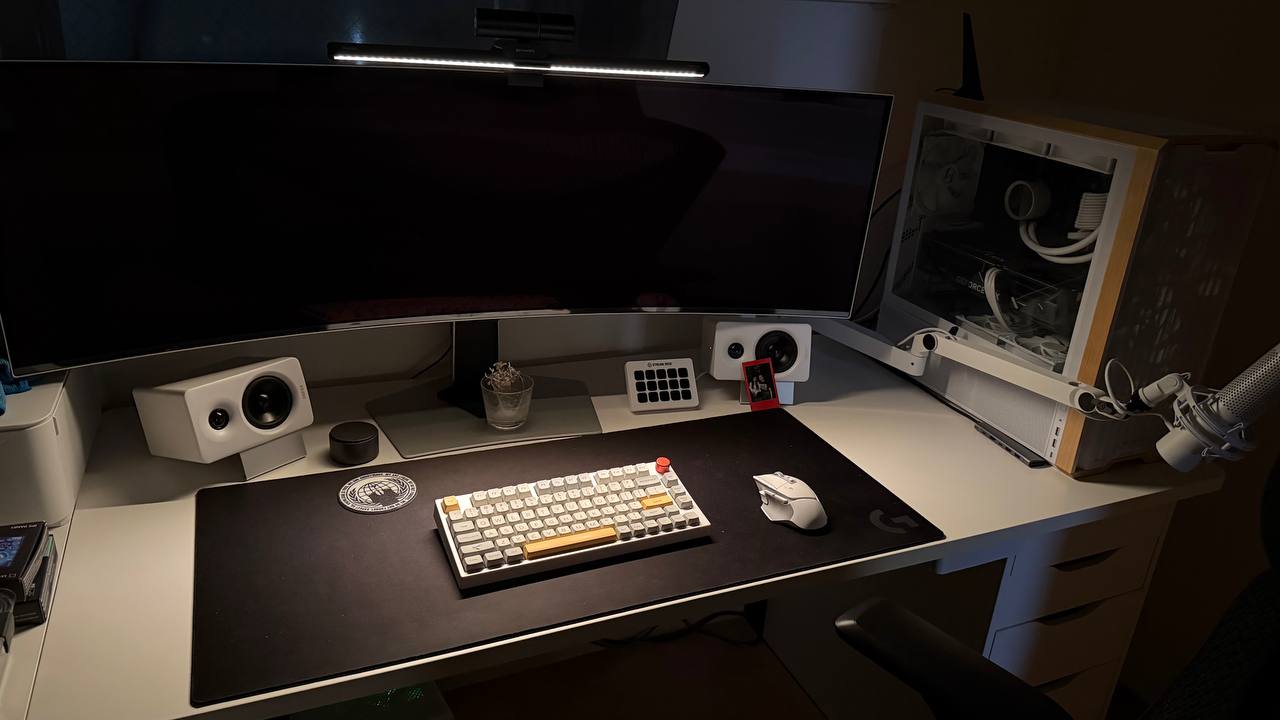
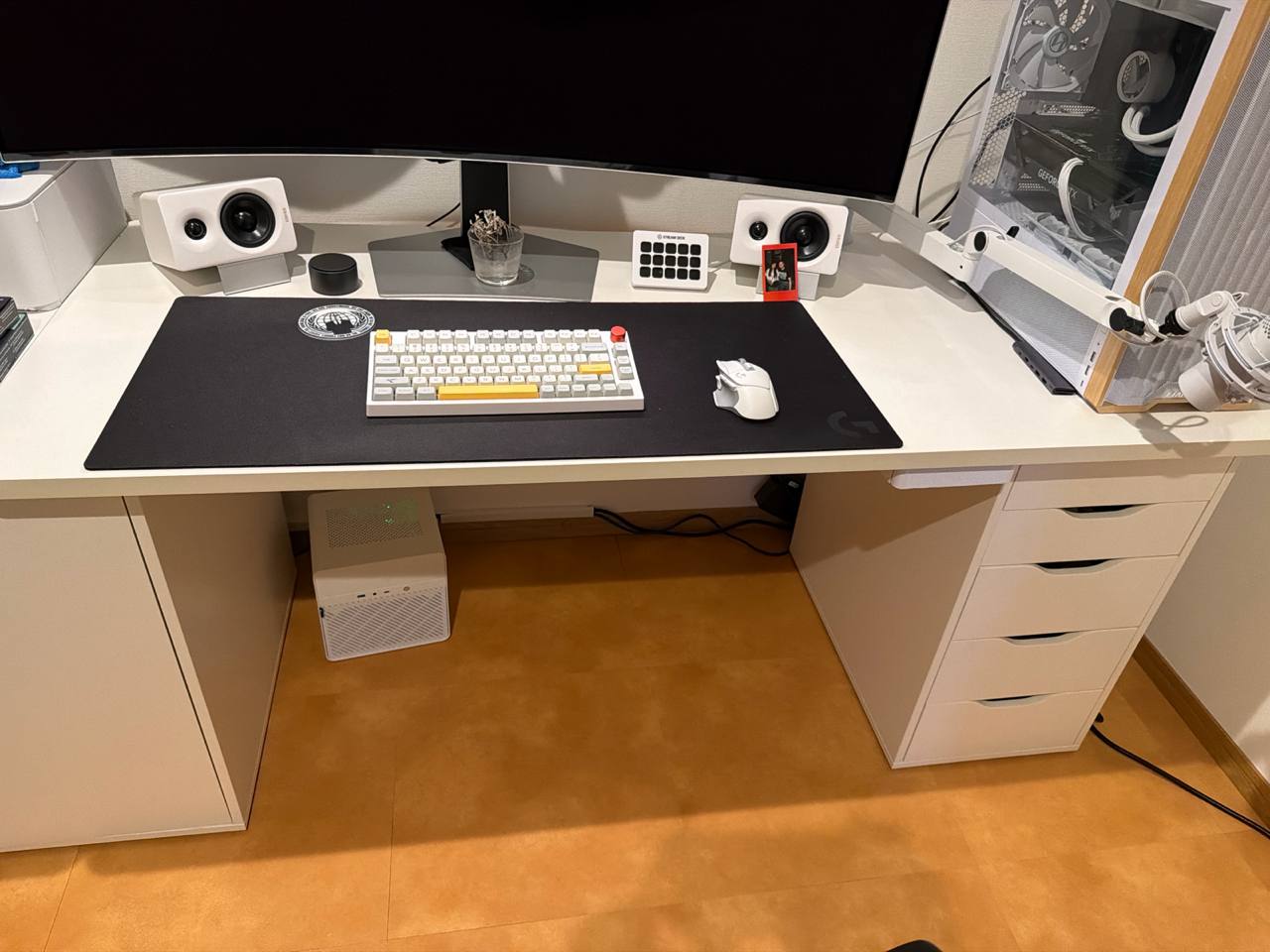
Primary Desk + Furniture
The main desk runs on a FlexiSpot 60" top with IKEA Alex support on both sides: drawers on the right and an Alex cabinet on the left. It keeps the setup stable, clean, and easy to service while still hiding the utility side of the room.
Second Desk (Mirrored Setup)
There is a mirrored setup for the second desk: same center cabinet concept, with IKEA Alex drawers on the left. It doubles as my test bench and Aaron’s setup—though when Aaron wants to game and steals my main PC and 49" ultrawide, it quickly becomes my workstation too.
Monitor: LG 1440p ultrawide
Also housed here: Bambu Lab A1 3D printer
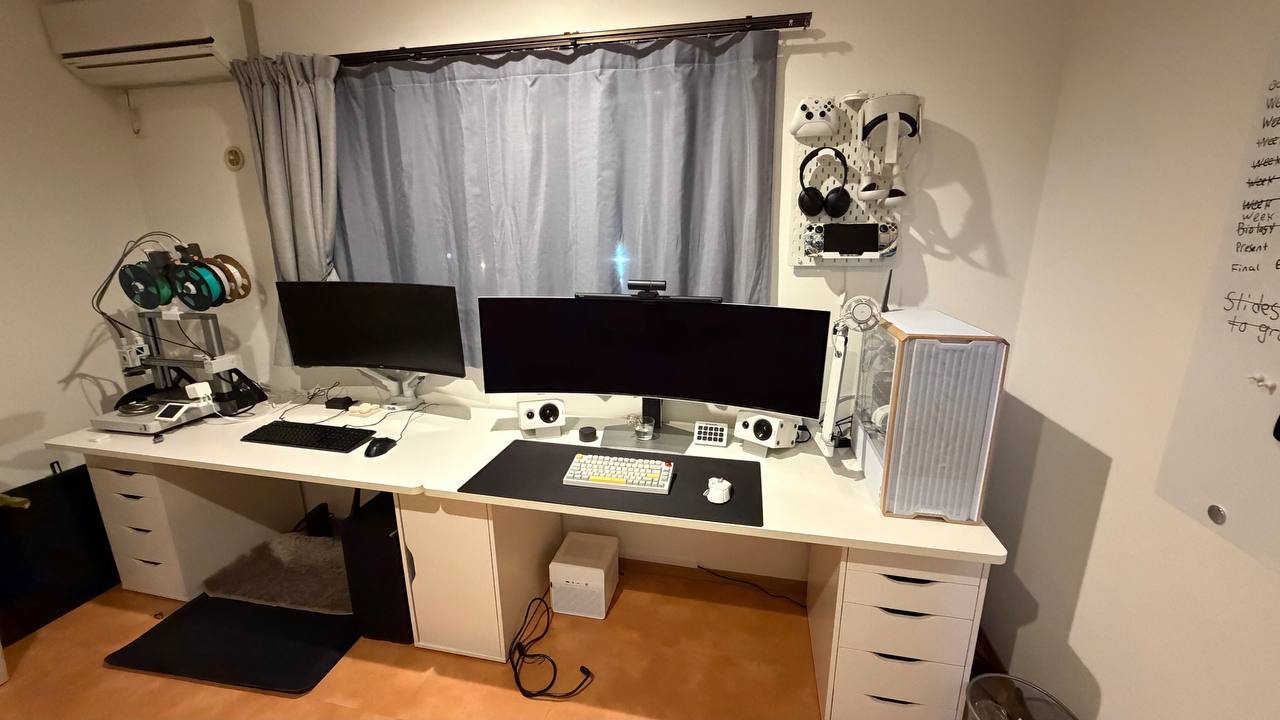
Office Overview: Studio + Workshop
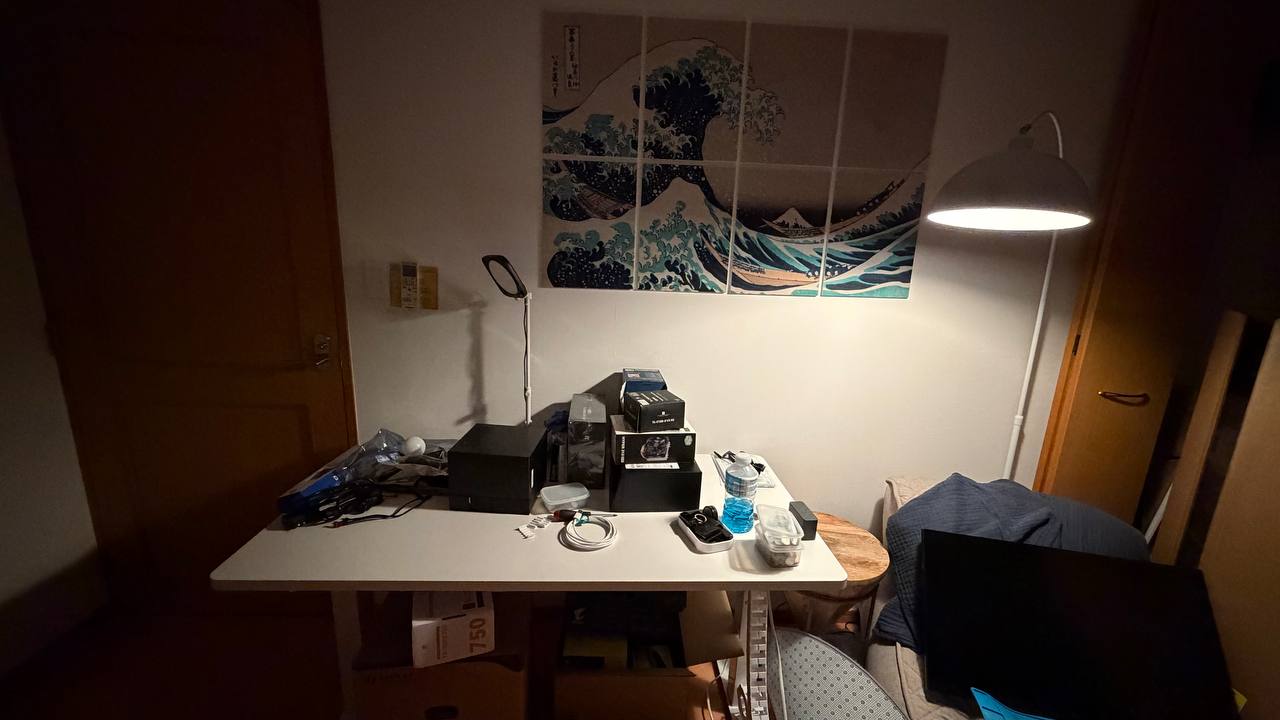
The Command Center is more than a desk setup. It doubles as a YouTube studio and a working project space for builds, repairs, testing, and experiments. The room is designed to be practical on camera and efficient off camera.
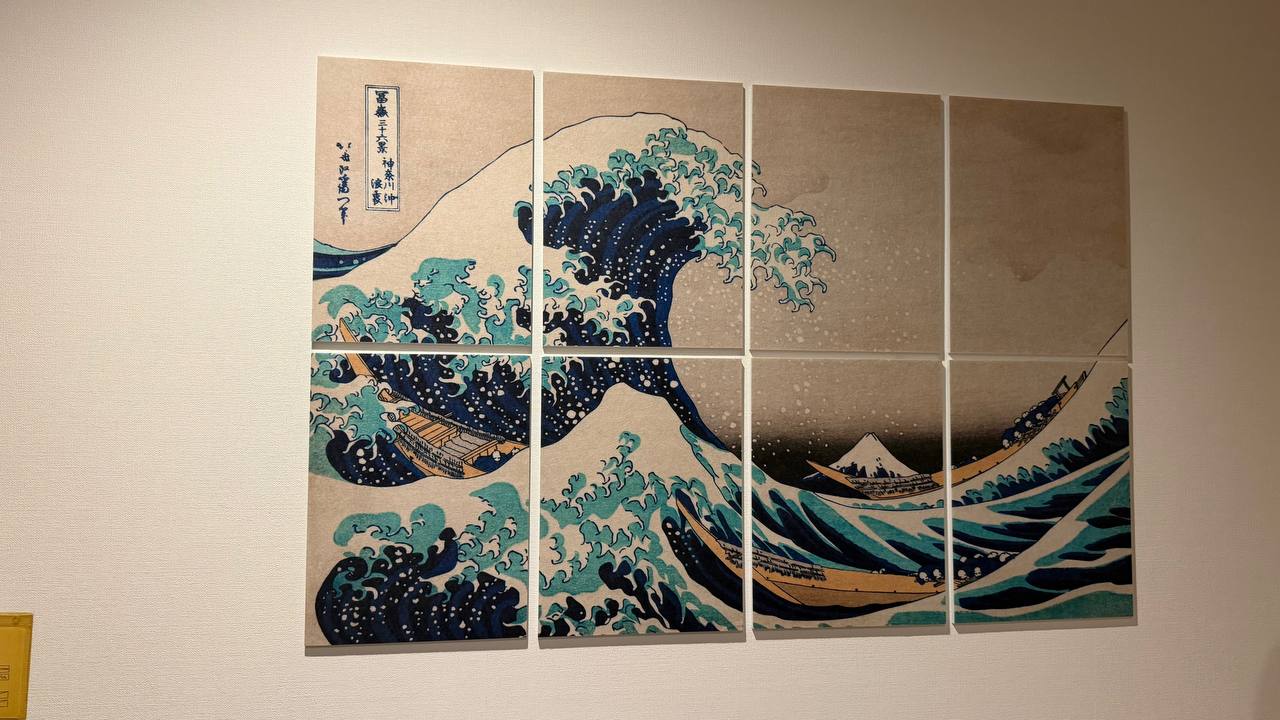
The Great Wave of Kanagawa “poster” also functions as acoustic treatment, helping tame reflections during voice recordings. A dedicated FlexiSpot standing desk is used for teardown/build sessions, project testing, and filming. It is usually staged with a soldering mat where 3D-print assemblies and electronics work happen.
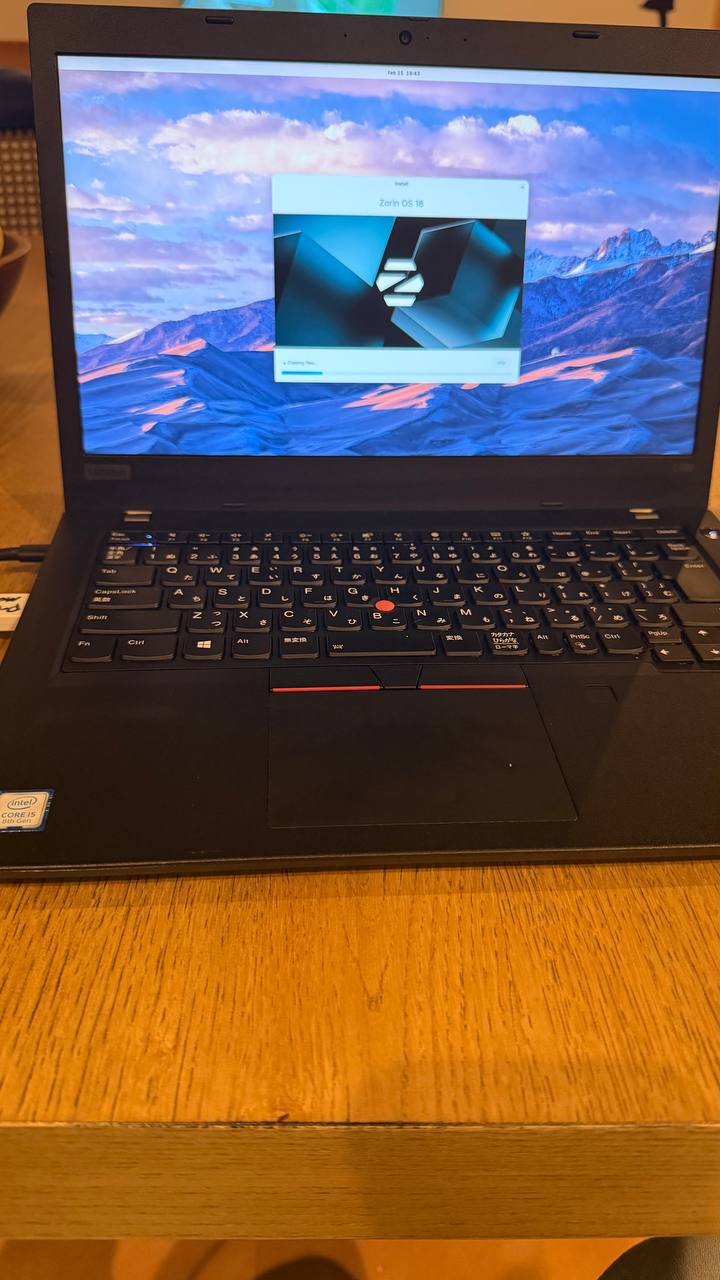
On-the-Go Rig: ThinkPad L490
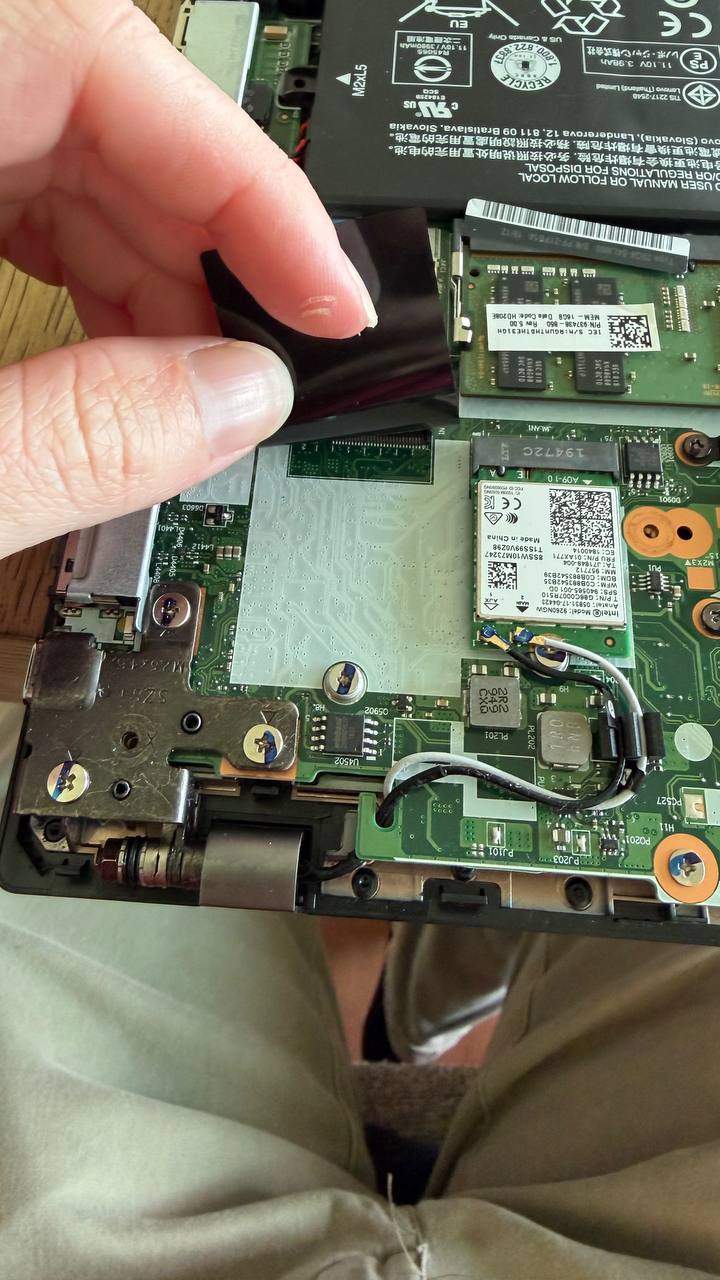
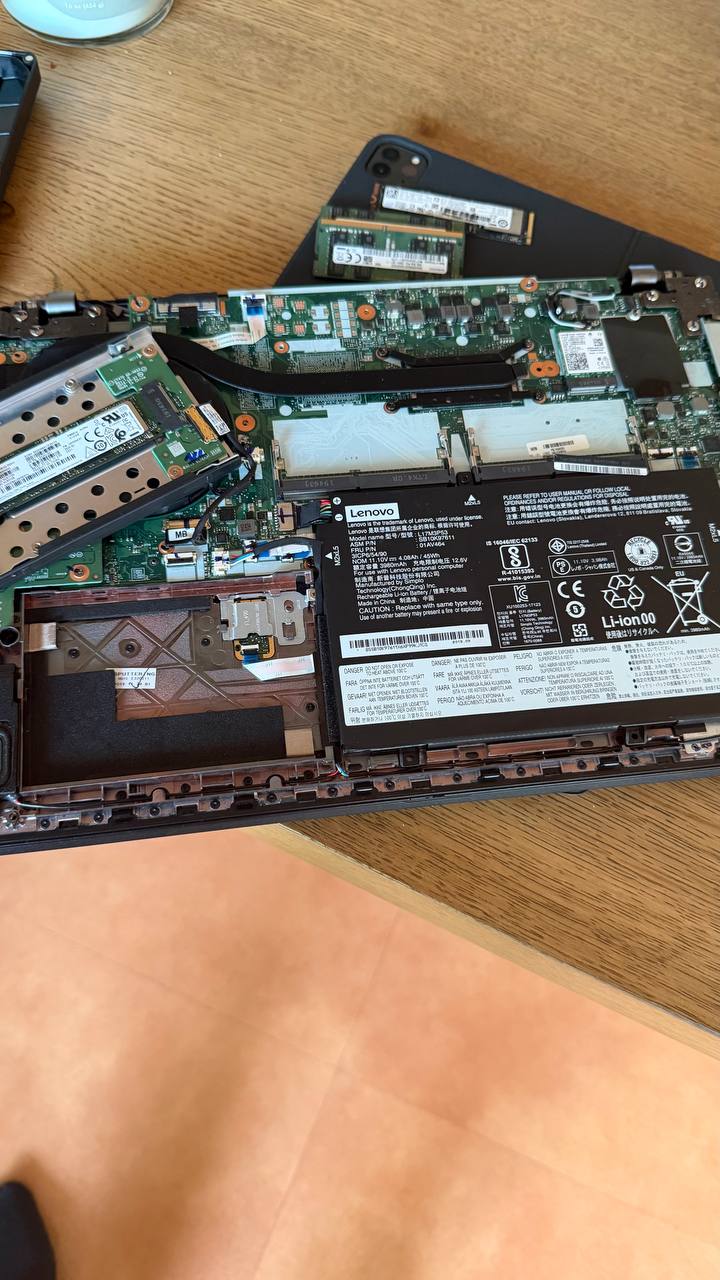
This is the portable side of the Command Center: a Lenovo ThinkPad L490 picked up for about $200 and upgraded immediately for real daily use. Storage was moved to a 1TB SSD, memory was expanded to 32GB RAM, and the keyboard was swapped from a Japanese layout to an English layout. It now runs Linux (Zorin OS) as a dependable on-the-go test and utility machine.
Quick Specs
- Model: Lenovo ThinkPad L490
- Purchase: ~$200
- Storage: 1TB SSD upgrade
- Memory: 32GB RAM upgrade
- Keyboard: JP layout swapped to English layout
- OS: Linux (Zorin OS)
Use Case
Portable bench for troubleshooting, software testing, and lightweight project work away from the main desk setup.
Inside the Cabinet: Home + Homelab Core
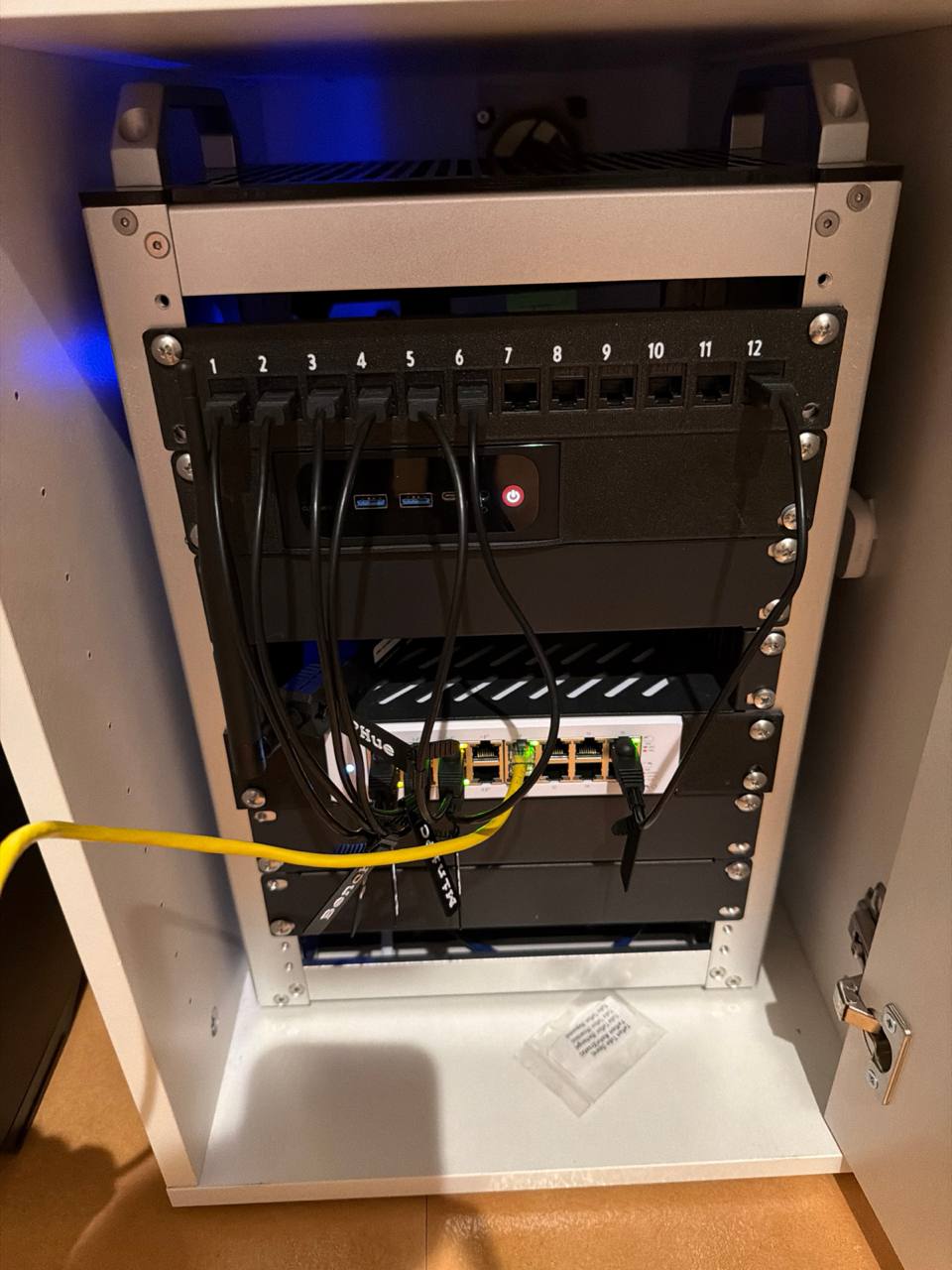
Inside the cabinet is the infrastructure layer that quietly runs the house and the home lab. The rack is a 10" DeskGeek 8U unit. I was genuinely surprised by the build quality when it arrived. For thermal control, I cut a rear vent opening and installed a Noctua fan converted to USB power, so it can be powered directly from available USB ports in-cabinet.
Rack + Core Hardware
- 10" DeskGeek 8U rack
- Beelink SER5 Pro (rack-mounted)
- Custom 3D-printed holder for rack fitment
- M1 Mac mini (16GB) for local LLM workloads
- Ubiquiti 16-port PoE managed switch
- Zigbee adapter
- Philips Hue smart-light hub
Workloads + Services
- Proxmox host
- Home Assistant VM
- Tailscale container
- Local LLM inference on dedicated Mac mini node
- Lighting + Zigbee coordination through Hue/Zigbee stack
- Aqara temperature sensor integrated with Home Assistant for rack temp monitoring
- Rack cooling workflow driven by thermal awareness and active fan exhaust
NAS + Media Stack
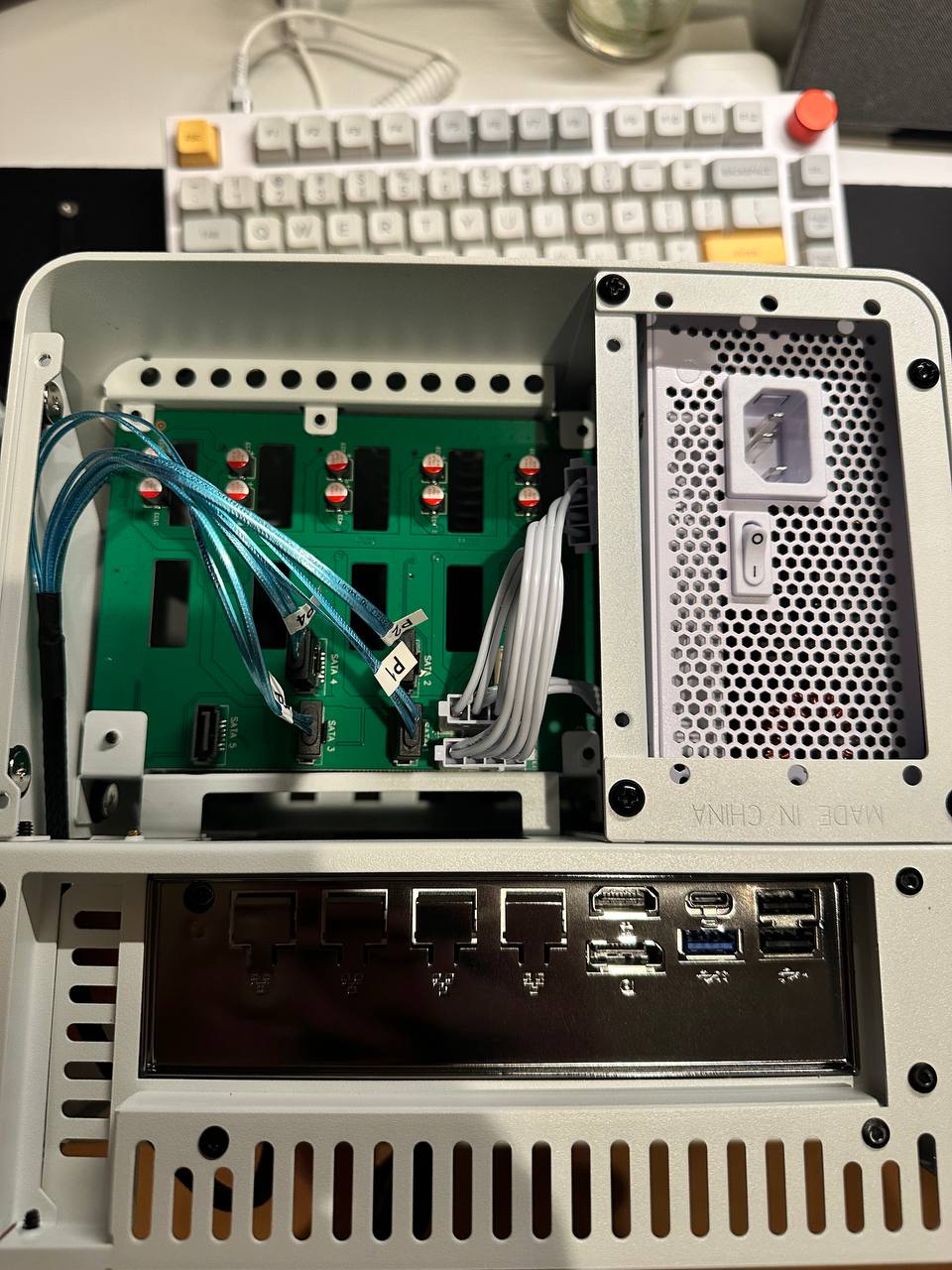
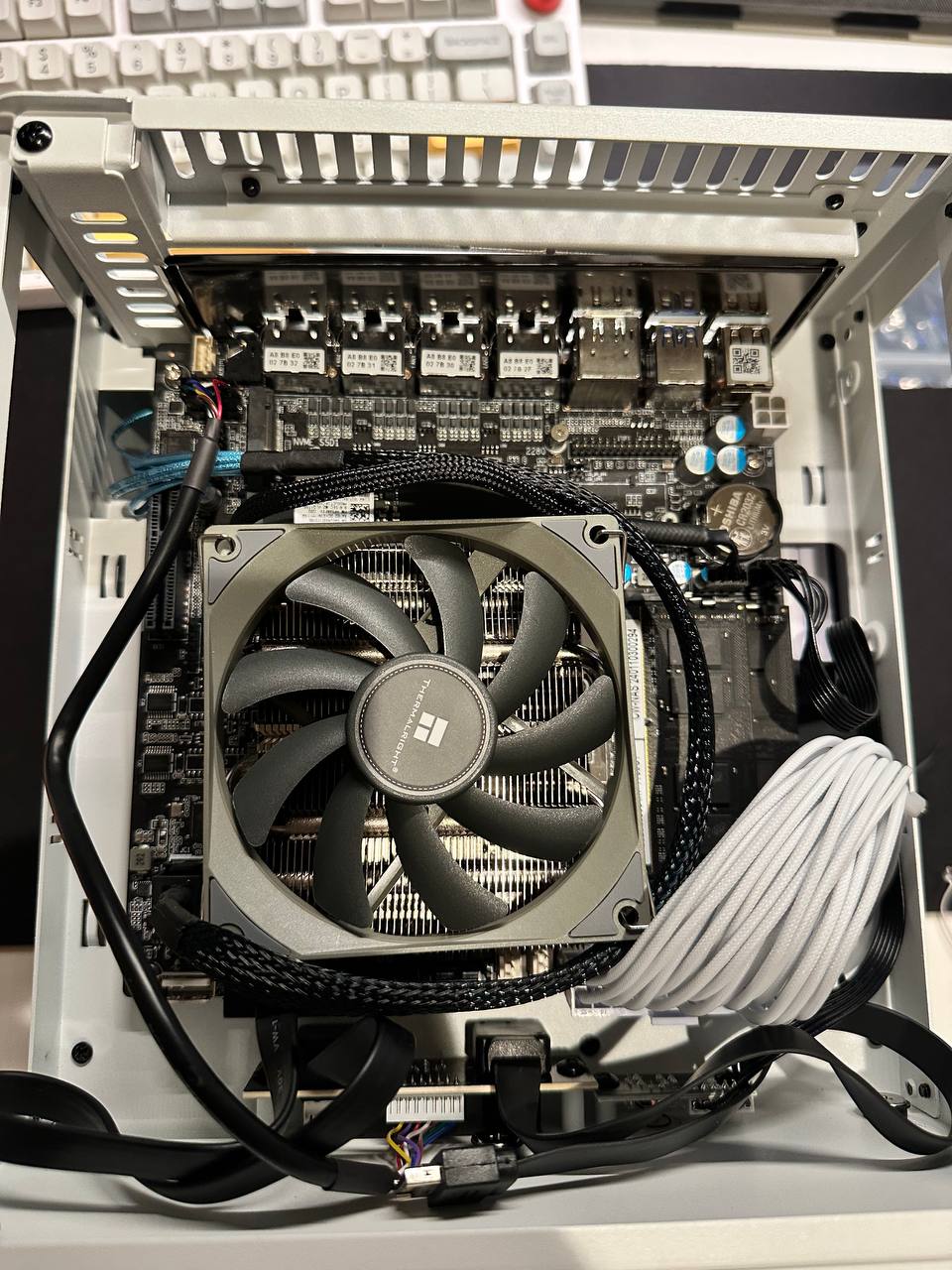
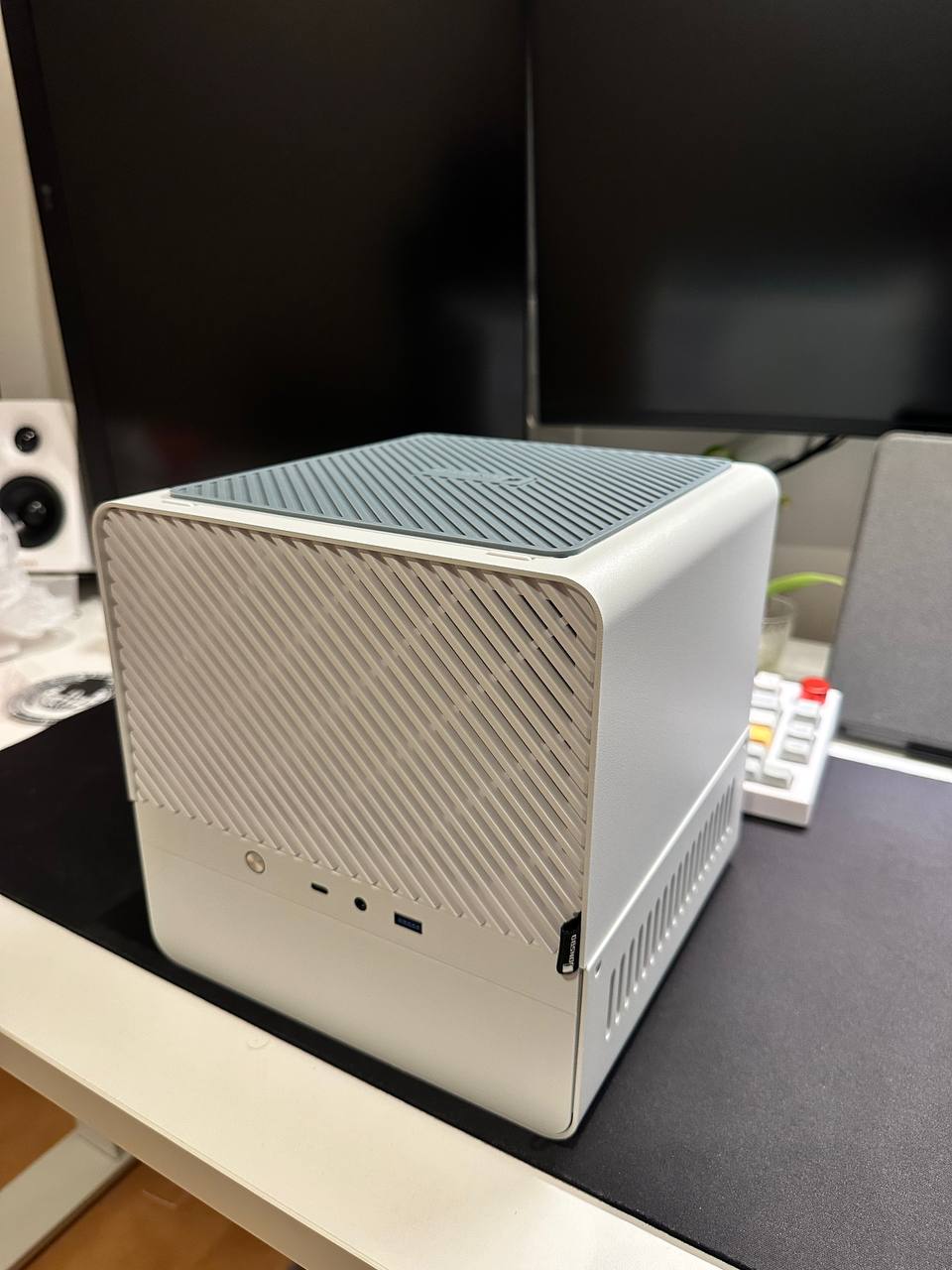
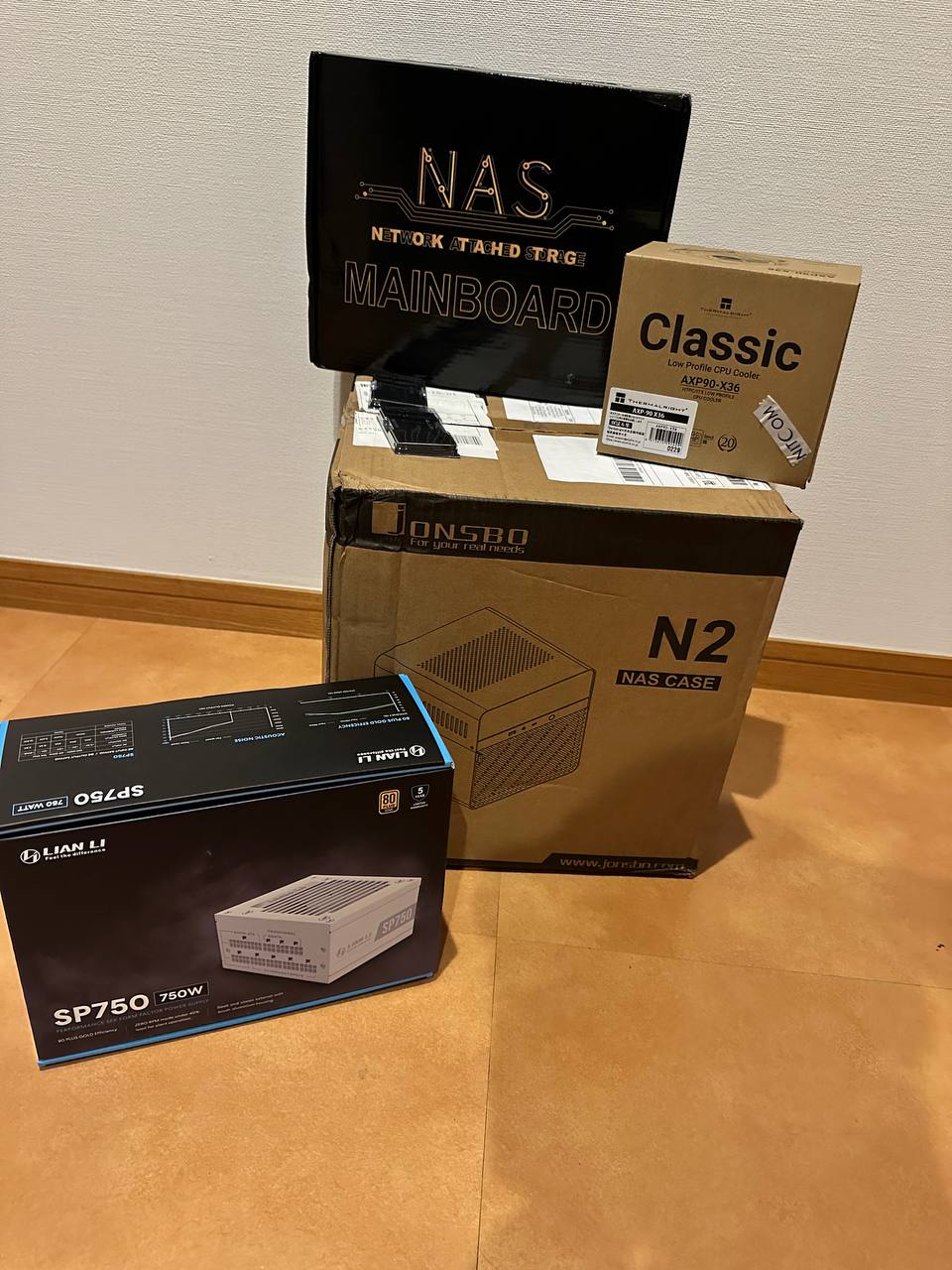
The Command Center also includes a dedicated NAS built for media, storage, and self-hosted services. It runs Unraid as the operating system and acts as the backbone for entertainment and private cloud workflows.
NAS Hardware
- Case: Jonsbo N2 mITX (5-bay)
- Motherboard: mITX board
- CPU: Intel 11th Gen i7
- RAM: 32GB DDR4
- OS Drive: 256GB SSD
- Array Drives: 2 x 8TB HDD
- OS: Unraid
Services
- Plex
- Radarr
- Sonarr
- Prowlarr
- qBittorrent
- Cloudflare integration
- Nextcloud for personal cloud storage